In electrical installations, ensuring the safety and reliability of cable connections is crucial. One effective solution widely used is the heat shrink cable joint. This article will explore how heat shrink cable joints work, their advantages, and why they are essential components that work together to protect electrical cables.
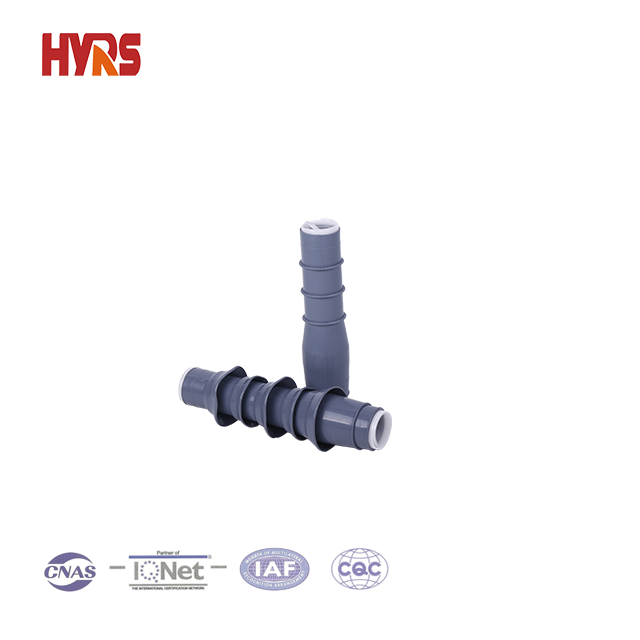
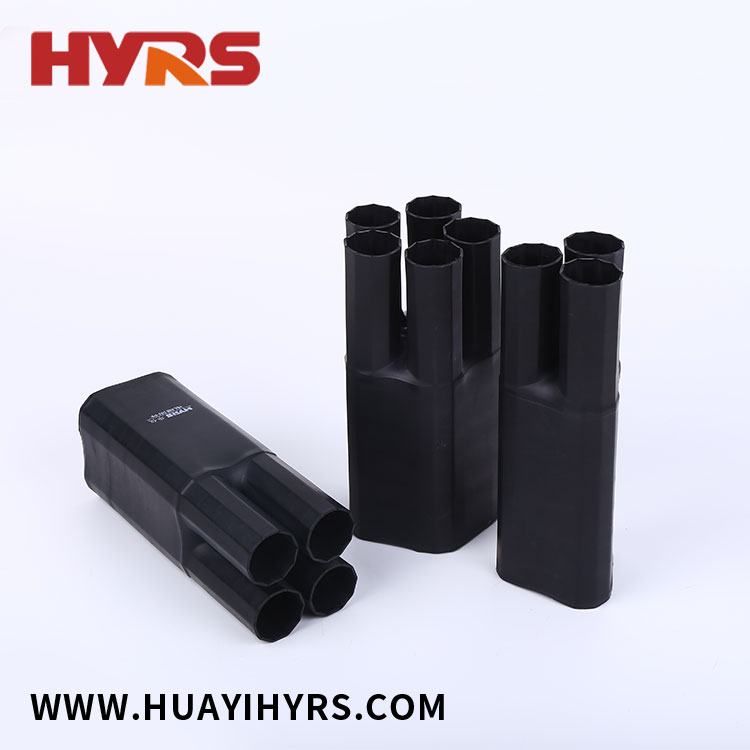
A heat shrink cable joint is a type of protective covering used to join two or more cables together. The core principle lies in the use of heat shrink tubing, a polymer material that shrinks when heated, providing a tight seal around the cable joint. To create a heat shrink cable joint, the cables to be connected are first prepared and spliced according to the required standards. Then, a heat shrink tubing assembly, which often contains an inner adhesive lining, is placed over the joint area.
When heat is applied, typically by using a heat gun, the tubing shrinks uniformly around the cable joint. The heat activates the adhesive inside the tubing, bonding it firmly to the cable insulation and metal conductors. This creates a waterproof and protective barrier that shields the joint from environmental elements such as moisture, dust, and mechanical damage.
One of the key advantages of using heat shrink cable joints is their excellent sealing properties. The adhesive lining ensures that the joint is moisture-resistant, which helps in preventing corrosion and electrical faults. Additionally, the mechanical strength provided by the heat shrink tubing ensures that the joint can withstand vibrations and physical stresses, enhancing the durability of the cable system.
Moreover, heat shrink cable joints work together with other cable accessories to upgrade overall cable performance. They are compatible with different cable types and voltage ratings, making them versatile for various applications, including industrial plants, underground cables, and outdoor installations. The ease of installation – with no need for complicated tools – further adds to their advantage, saving time and labor costs.
In conclusion, heat shrink cable joints are an effective solution for connecting and protecting electrical cables. Their working principle of shrinking under heat and forming a sealed barrier offers significant advantages, including moisture resistance, mechanical protection, and versatility. When work is done using heat shrink cable joints, the overall integrity and safety of electrical systems are greatly improved, demonstrating why they remain a popular choice among professionals in the electrical industry.

 English
  Español
  Português
  русский
  Français
  日本語
日本語  Deutsch
  tiếng Việt
  Italiano
  Nederlands
  ภาษาไทย
  Polski
  한국어
한국어  Svenska
  magyar
  Malay
Malay  বাংলা ভাষার
  Dansk
Dansk  Suomi
Suomi  हिन्दी
  Pilipino
  Türkçe
  Gaeilge
  العربية
  Indonesia
  Norsk
Norsk  تمل
تمل  český
český  ελληνικά
  український
  Javanese
  فارسی
فارسی  தமிழ்
தமிழ்  తెలుగు
  नेपाली
  Burmese
  български
  ລາວ
ລາວ  Latine
  Қазақша
  Euskal
  Azərbaycan
  Slovenský jazyk
  Македонски
  Lietuvos
  Eesti Keel
  Română
  Slovenski
  मराठी
मराठी  Srpski језик