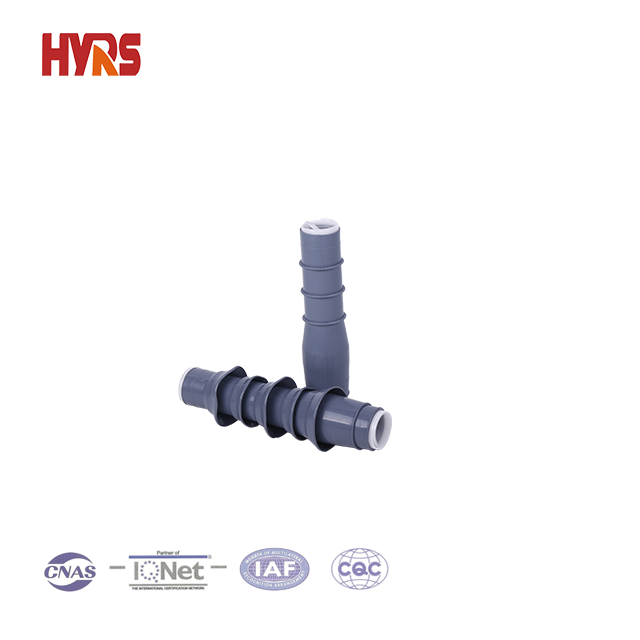
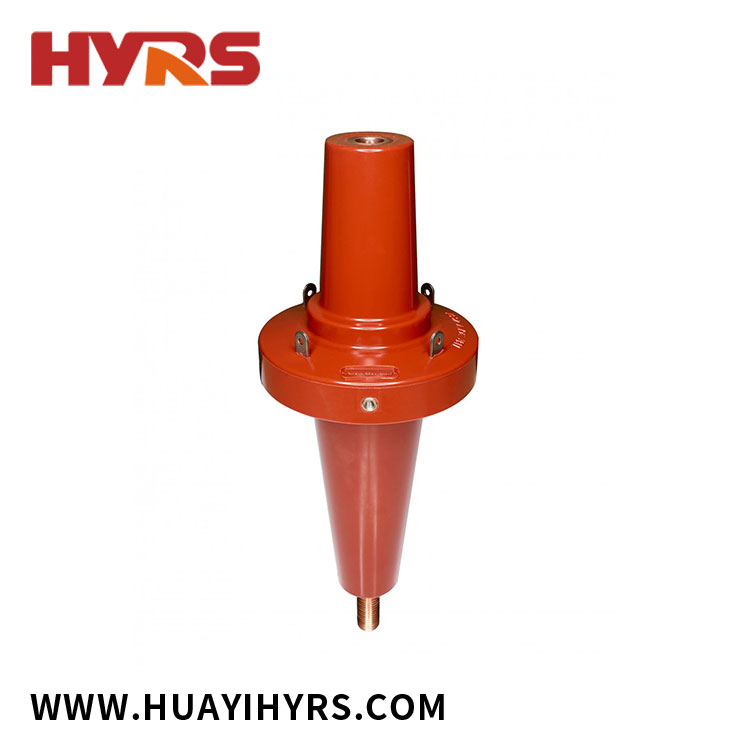
In the electrical and telecommunications industries, understanding the distinction between a cable termination kit and a joint kit is essential for ensuring reliable and efficient cable installations. Both kits serve critical roles in cable management but cater to different needs and applications. This article explores the difference between these two kits and highlights their respective advantages in the market.
A cable termination kit is designed primarily for the purpose of safely and efficiently terminating the end of an electrical cable. It provides insulation, mechanical support, and environmental protection to the cable terminal, ensuring the electrical connection is secure and protected from external factors such as moisture, dust, and mechanical damage. These kits are crucial in applications where cables need to be connected to electrical equipment, transformers, or switchgear.
In contrast, a joint kit is used to join or splice two cable ends together to extend the cable length or repair damaged cables. The joint kit ensures continuity of the cable’s electrical properties while providing protection similar to that of the termination kit. Joint kits are essential in underground or long-distance cable installations where cable runs may exceed standard lengths or where repairs are frequently necessary.
The primary difference between the two lies in their application: termination kits are for cable ends, whereas joint kits are for cable connections or splicing. This distinction is important when selecting the right kit for a project to ensure the integrity and longevity of the cable installation.
From a market perspective, both kits occupy vital niches but offer different advantages. Cable termination kits provide the advantage of ease and speed of installation at cable endpoints, minimizing downtime during equipment connection. Their design often incorporates features to enhance safety and reliability, which is a key selling point in industries prioritizing risk management.
Joint kits, on the other hand, offer the advantage of versatility and cost-efficiency. By enabling cable repairs and extensions without the need to replace entire cable runs, joint kits significantly reduce maintenance costs and downtime. This makes them highly valuable in markets where cable longevity and infrastructure resilience are critical.
In conclusion, while cable termination kits and joint kits both play indispensable roles in cable infrastructure, their differences in function and application define their market advantages. Understanding these differences ensures that professionals choose the appropriate solution, optimizing performance and cost-effectiveness in their cable projects.

 English
  Español
  Português
  русский
  Français
  日本語
日本語  Deutsch
  tiếng Việt
  Italiano
  Nederlands
  ภาษาไทย
  Polski
  한국어
한국어  Svenska
  magyar
  Malay
Malay  বাংলা ভাষার
  Dansk
Dansk  Suomi
Suomi  हिन्दी
  Pilipino
  Türkçe
  Gaeilge
  العربية
  Indonesia
  Norsk
Norsk  تمل
تمل  český
český  ελληνικά
  український
  Javanese
  فارسی
فارسی  தமிழ்
தமிழ்  తెలుగు
  नेपाली
  Burmese
  български
  ລາວ
ລາວ  Latine
  Қазақша
  Euskal
  Azərbaycan
  Slovenský jazyk
  Македонски
  Lietuvos
  Eesti Keel
  Română
  Slovenski
  मराठी
मराठी  Srpski језик