Heat shrinkable rain sheds have become an innovative solution in the construction and agriculture industries, offering reliable protection against adverse weather conditions. Understanding the structure of these sheds provides insight into their key advantages, expanding market presence, and versatile applications.
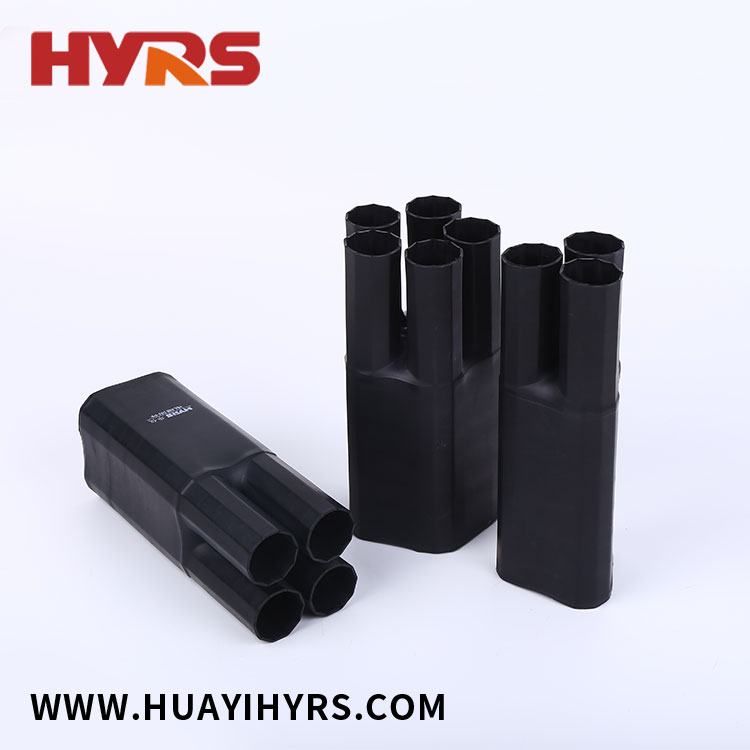
At its core, the structure of a heat shrinkable rain shed is designed based on advanced polymer materials that exhibit heat shrinkability. These materials, often polyethylene or similar thermoplastic compounds, are fabricated into sheets or films. When subjected to controlled heat, the material contracts tightly around a frame, creating a sealed and durable cover. The frame itself is typically constructed from lightweight metals such as aluminum or steel, providing strength and stability. The heat shrinkable layer ensures water-tightness and resistance to UV rays, preventing degradation and extending the lifespan of the rain shed.
One major advantage of this structure is its simplicity and efficiency in installation. Unlike traditional rain shelters that require complex assembly or heavy materials, heat shrinkable rain sheds can be quickly installed by heating the film to achieve a snug fit over the frame. This reduces labor costs and time, making it a cost-effective option in many markets. Additionally, the elasticity and durability of the heat shrinkable film enable the structure to withstand heavy rain, wind, and temperature fluctuations without compromising integrity.
From a market perspective, the demand for heat shrinkable rain sheds is expanding rapidly, driven by increased awareness of climate resilience and the need for sustainable construction solutions. Agricultural sectors, in particular, benefit greatly; these rain sheds protect crops, seedlings, and equipment from excessive moisture and harsh weather. Urban environments also utilize heat shrinkable rain sheds for temporary outdoor events, storage facilities, and even as protective covers for machinery and vehicles. The lightweight nature and portability further enhance their market appeal.
In terms of application, heat shrinkable rain sheds are remarkably versatile. They are employed in farms to shield plants from excessive rainfall, in construction sites to protect materials from weather damage, and in transportation hubs to cover cargo temporarily. Their ability to form a tight seal against environmental elements makes them invaluable wherever weather protection is critical. Moreover, the compatibility with different frame designs allows customization according to specific needs, broadening the scope of use.
In conclusion, the structure of the heat shrinkable rain shed—a combination of heat-responsive polymer films and sturdy frames—provides significant advantages in terms of installation ease, durability, and weather resistance. The growing market demand and diverse applications underscore their importance as a practical solution for rain protection across various industries. As technology advances, these sheds will likely continue to evolve, offering even more efficient and effective means to safeguard assets from environmental challenges.

 English
  Español
  Português
  русский
  Français
  日本語
日本語  Deutsch
  tiếng Việt
  Italiano
  Nederlands
  ภาษาไทย
  Polski
  한국어
한국어  Svenska
  magyar
  Malay
Malay  বাংলা ভাষার
  Dansk
Dansk  Suomi
Suomi  हिन्दी
  Pilipino
  Türkçe
  Gaeilge
  العربية
  Indonesia
  Norsk
Norsk  تمل
تمل  český
český  ελληνικά
  український
  Javanese
  فارسی
فارسی  தமிழ்
தமிழ்  తెలుగు
  नेपाली
  Burmese
  български
  ລາວ
ລາວ  Latine
  Қазақша
  Euskal
  Azərbaycan
  Slovenský jazyk
  Македонски
  Lietuvos
  Eesti Keel
  Română
  Slovenski
  मराठी
मराठी  Srpski језик